Bangerboy
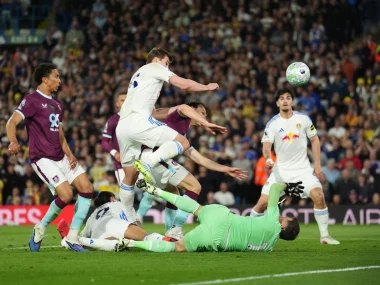
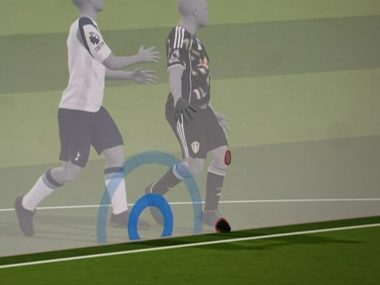
Leeds United has issued a scathing statement following a controversial draw against Tottenham Hotspur, marking a breaking point in the club’s relationship with the Premier League’s officiating standards. The flashpoint occurred when a potential Leeds penalty was overturned after VAR intervention cited a subjective “initial foul” in the buildup, a decision the club describes as a staggering inconsistency in the application of the rules. This latest grievance follows a season-long pattern of errors, including the high-profile failure to award a penalty against Sunderland when Pascal Struijk was pulled down by the neck—an incident the Key Match Incidents (KMI) panel later unanimously ruled as a VAR mistake.
In their formal communication, Leeds United expressed “profound alarm” at the escalating frequency of technical and human errors, noting that the KMI panel has already recorded 18 official VAR blunders this season, equaling the total for the entire previous year. The club highlighted the “double standard” where their captain, Ethan Ampadu, was penalized for a secondary handball movement in a prior fixture, yet clear attacking impediments in their favor continue to be ignored or rescinded. The statement emphasizes that these “Premier League explanations” offer no reprieve for the points lost in a razor-thin relegation battle, where the difference between safety and the Championship is often decided by these singular, contested moments.
By consolidating their frustrations into a public demand for accountability, the Elland Road board is calling for an immediate overhaul of the VAR protocols. They are specifically targeting the lack of transparency in “buildup play” reviews and the inability of VAR to correct erroneous second yellow cards, such as the one wrongly shown to Gabriel Gudmundsson earlier this month. Leeds insists that the league must move beyond admitting fault after the fact and implement real-time corrections that preserve the sporting integrity of the competition. For a club fighting for its top-flight survival, these “apologies” from the PGMOL have become an insufficient substitute for competent officiating on the pitch.

 Musty
Musty Bangerboy
 Rabiu
Rabiu